


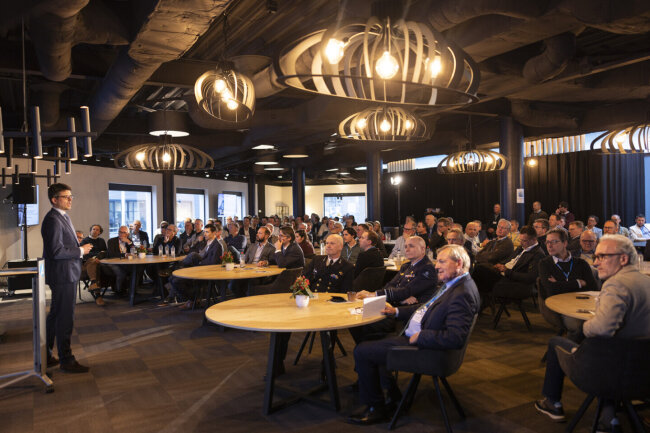
During the thematic meeting Military Mobility, organised by RAI Association at the Automotive Campus in Helmond, government, Defence, and industry came together to discuss what these developments mean in practice and how collaboration can be accelerated.
“The world has changed, and accessibility is under pressure”
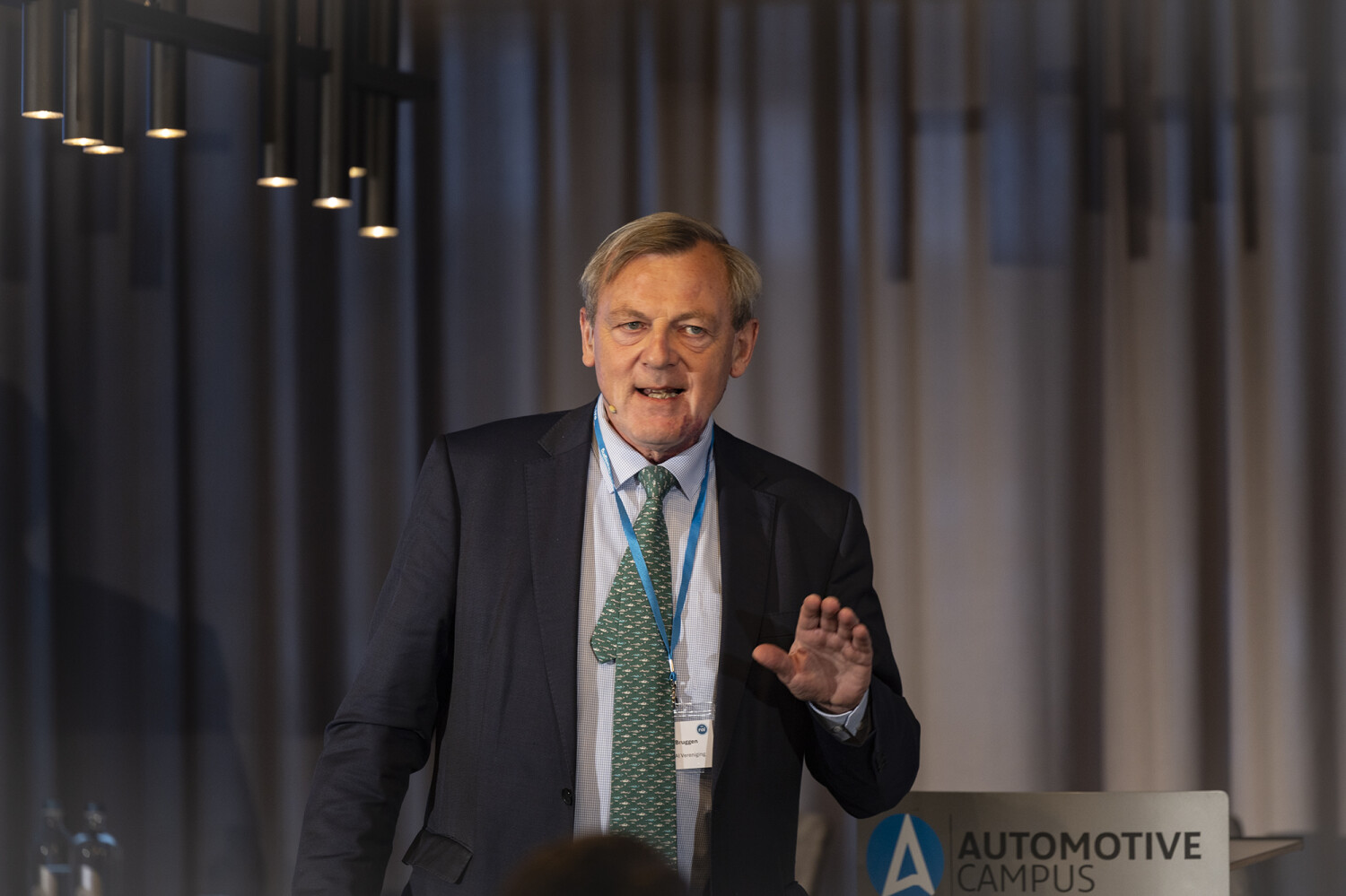
In his opening remarks, Frits van Bruggen, Chairman of RAI Association, underlined the urgency of the topic. Accessibility has always been one of the core pillars of RAI Association, but in today’s geopolitical context, this concept takes on a new meaning.
“The world has changed. The accessibility of the Netherlands is under pressure. This raises not only questions about security, but also about how the business community can contribute. Tens of billions of euros will be invested in defence and resilience in the coming years. The key question is: how do government and industry find each other, and how do we ensure that cooperation actually leads to implementation?”
According to Van Bruggen, the strength of the Netherlands lies precisely in collaboration: government and industry working together to address both societal and economic challenges.
NATO perspective: production capacity and resilience under pressure
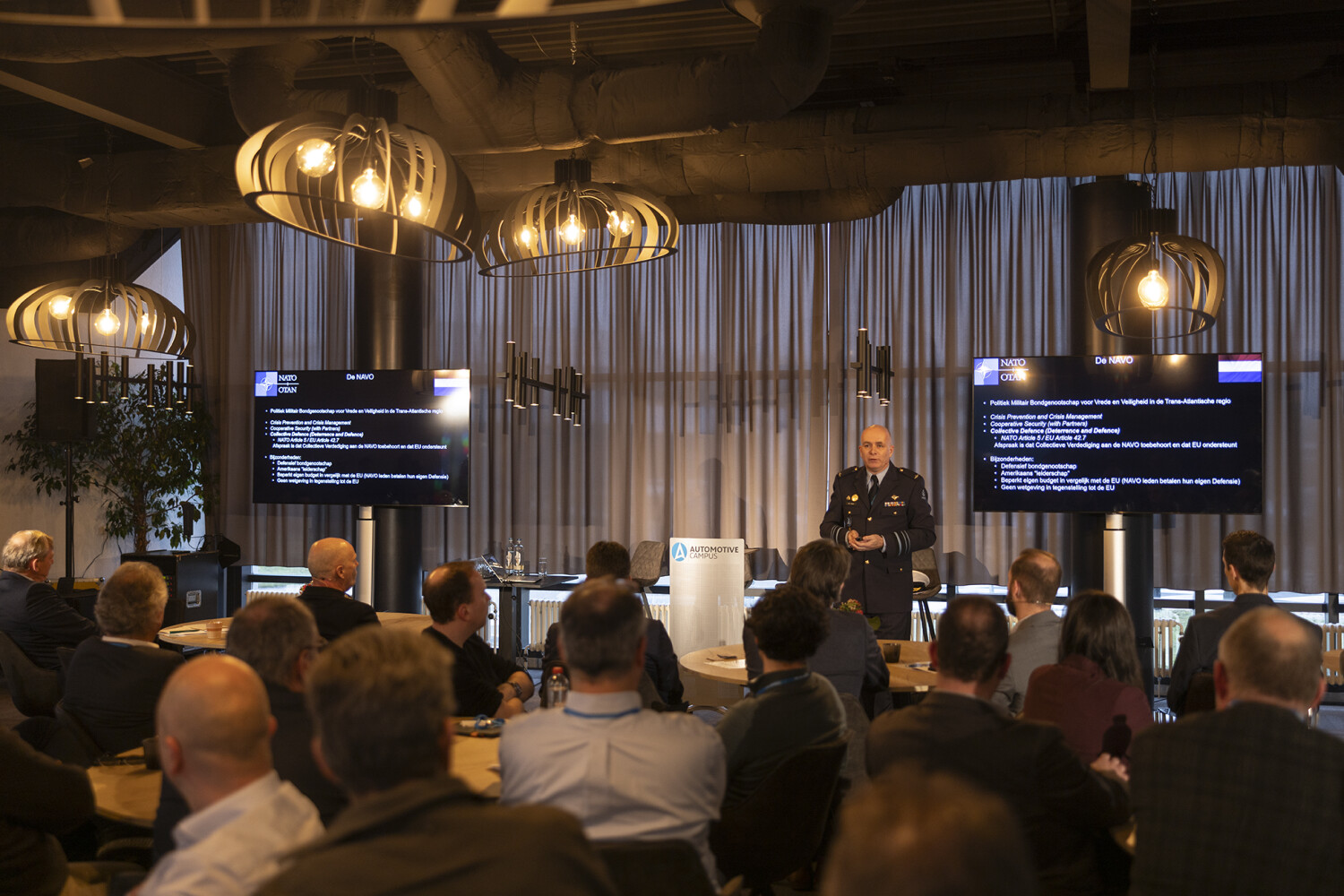
Lieutenant General Dick van Ingen, Military Representative of the Netherlands to NATO and the EU, placed military mobility in a broader geopolitical context. He outlined how three decades of defence cutbacks in Europe are being felt today, while threats along Europe’s eastern border are increasing.
NATO is increasingly concerned about the rapid militarisation of infrastructure and production capacity by Russia, partly through manufacturing in China and Korea. At the same time, modern warfare is becoming ever more dependent on unmanned systems and cyber resilience.
“NATO is both a political and a military alliance. This means that choices regarding production, regulation and infrastructure have direct consequences for our resilience. In Europe, we have not always made things easy for ourselves with regulation, but today’s reality demands acceleration.”
Van Ingen emphasised that investments in defence must go hand in hand with investments in logistics, infrastructure and civil resilience - areas in which industry plays a key role.
The operational reality: “As civilian as possible, as military as necessary”
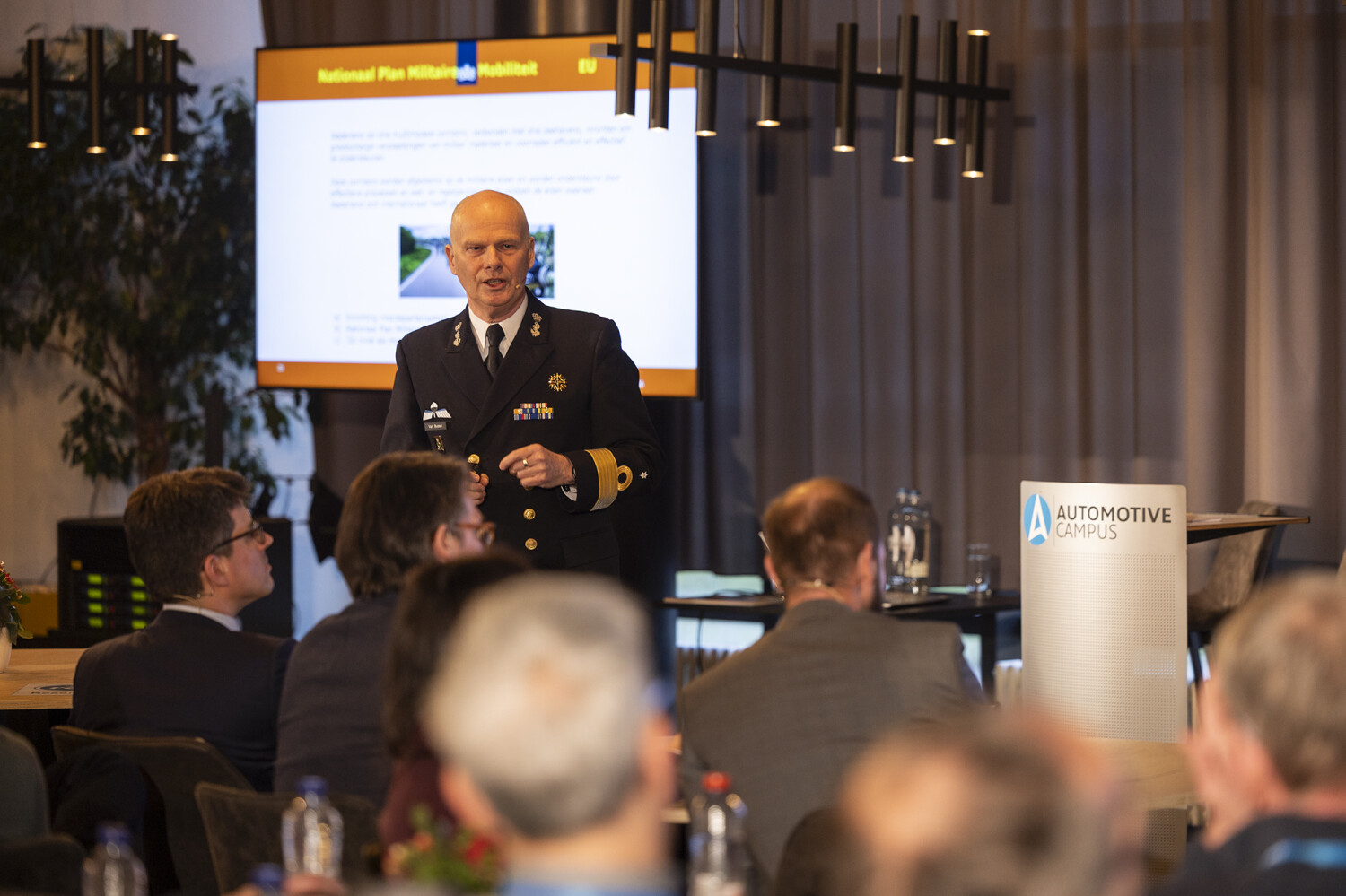
Lieutenant General Han van Bussel, Director of Logistics at the Dutch Ministry of Defence, focused on the operational challenges of military mobility. The effectiveness of Defence depends on well-functioning logistics chains: from stockpiles and transport to cybersecurity, IT systems and sufficient qualified drivers.
He highlighted the high quality of Dutch vehicles and logistics solutions, as well as the strong position of the Netherlands within NATO.
“The Netherlands is proactive, works bottom-up and easily builds international connections. We play attacking football. That helps to accelerate progress provided the conditions are right.”
A key challenge remains the fragmentation of regulations within the EU and the administrative burden at borders. The National Military Mobility Plan, which is available as open source, therefore focuses on better alignment of legislation and the development of logistics corridors across road, rail and inland waterways.
Van Bussel summarised the approach succinctly:
“As civilian as possible, as military as necessary. But we cannot do this alone.”
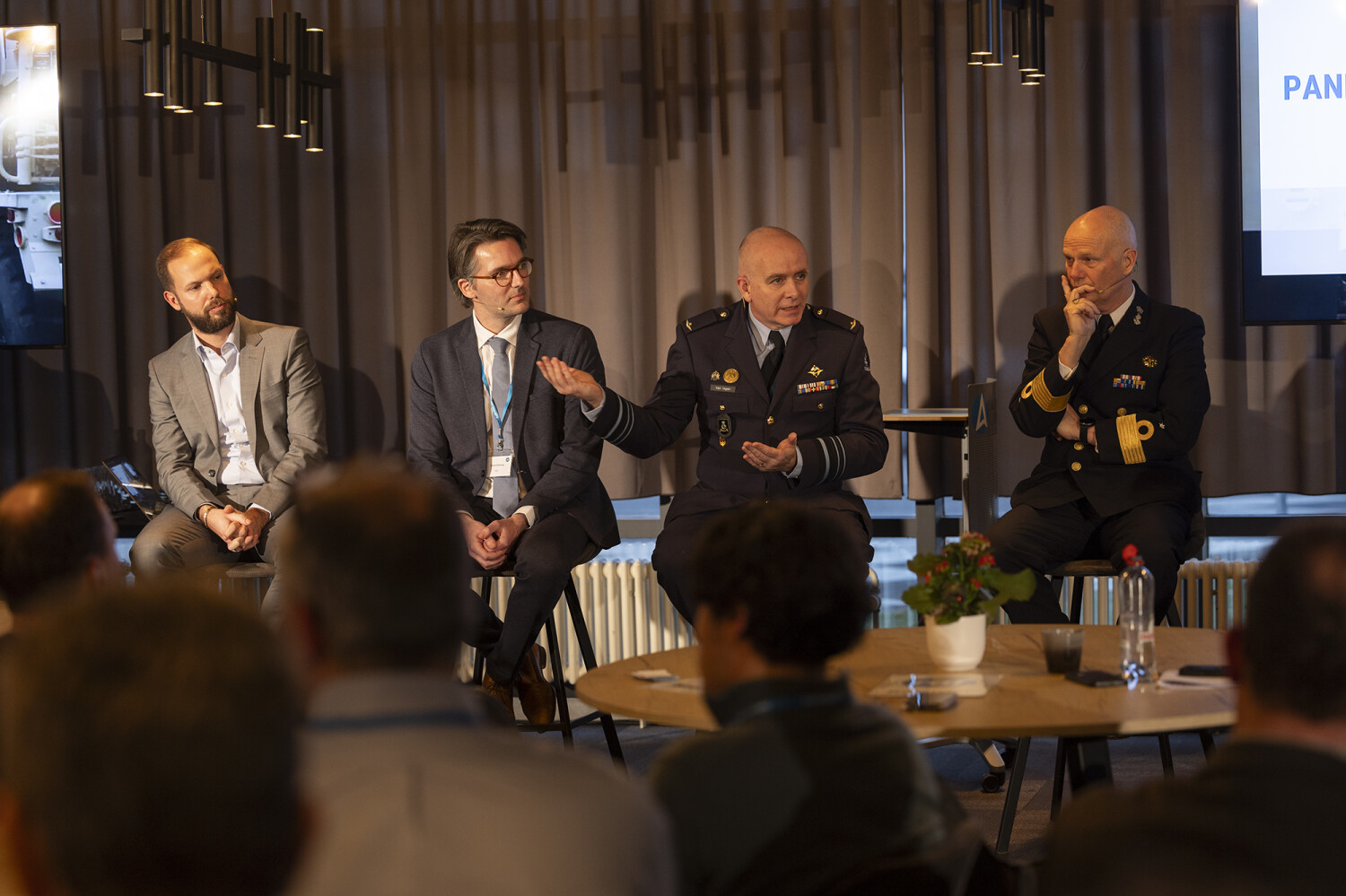
Panel discussion: from ambition to execution
The meeting concluded with an interactive panel discussion involving Wibe van de Linden (NATO point of contact for Dutch industry), Victor Hartong (advisor at the Netherlands Enterprise Agency, RVO) and both generals. Central to the discussion was how companies can practically connect to defence-related innovation and investment programmes.
A recurring theme was the complexity of subsidies and procurement procedures. Jean Pierre Heijster, Section Manager at RAI Automotive Industry NL, noted that small and medium-sized enterprises in particular often miss out.
“A great deal of innovation power can be found among smaller companies, but they do not always meet all formal requirements. As a result, opportunities are missed - even though their solutions may be highly relevant.”
From the perspective of RVO, it was emphasised that extensive support is available, but competition is fierce, and participation requires commitment. At the same time, experience shows that companies often find it easier to participate a second time once they are familiar with the process.
The role of RAI Association: connecting, supporting and accelerating
This is where RAI Association, and mainly the section RAI Automotive Industry NL, plays a clear role. Through initiatives such as the programme office, in close cooperation with partners including Brainport Development, RAI AINL supports companies in finding the right entry points, forming consortia and connecting to national and European programmes.
The thematic meeting in Helmond demonstrated that military mobility is evolving into a structurally relevant domain for the Dutch automotive industry, not only from a security perspective, but also as part of industrial policy, production capacity, digitalisation and international positioning.
Therefore, the meeting marked an important starting point for further collaboration between Defence, government and industry, with RAI AINL acting as a connecting force.
